
You might have noticed your child holding books very close to their face, or maybe they’ve started moving closer and closer to the TV to see it properly. The team with Total Vision Seal Beach understands that the moment of realizing your child might need help with their vision often leads to a big question: Would your child benefit more from glasses or contact lenses?
Navigating this decision can feel a bit overwhelming, but it doesn’t have to be. The right vision solution for your child depends on their individual needs, lifestyle, and maturity level. A children’s eye exam is a great first step to understanding which option might help your child the most.
How to Tell if Your Child Needs Vision Support
Common Signs to Watch For
Your child may not always tell you if they are having trouble seeing. Instead, you might spot certain behaviors that suggest their vision isn’t as clear as it could be. Look for these common signs:
- Frequent squinting or eye rubbing
- Complaints of headaches or tired eyes
- Sitting too close to screens or the board at school
- Losing their place while reading
- Tilting their head to see better
Why an Eye Exam Is Important
If you notice any of these signs, a comprehensive eye exam is a valuable next step. It does more than just check for nearsightedness or farsightedness and provide an accurate prescription: It also helps assess the overall health of your child’s eyes.
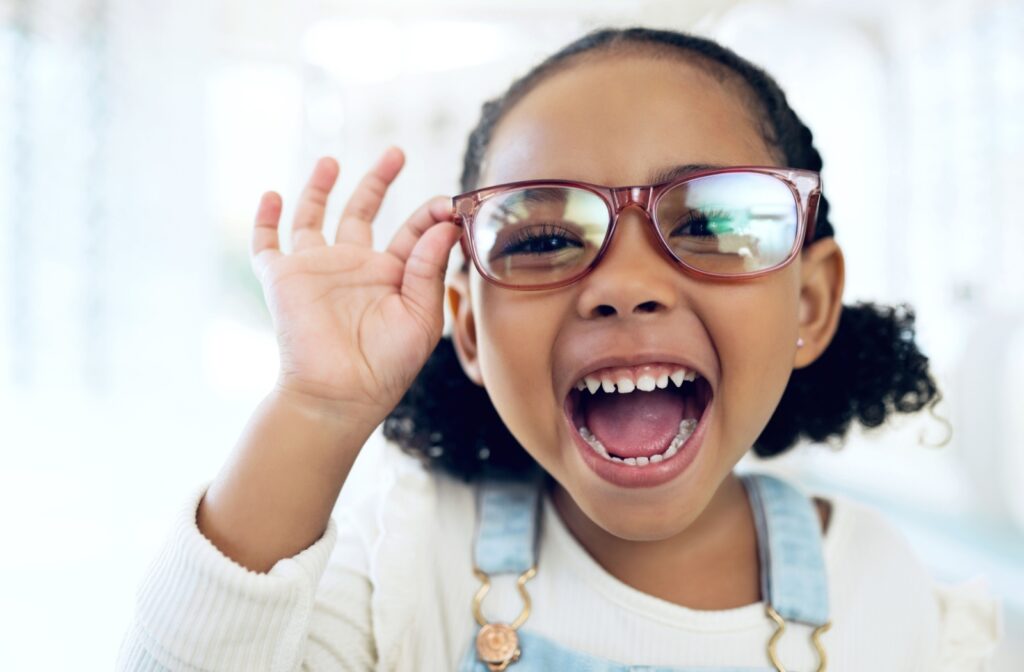
The Case for Glasses: A Practical Choice
Benefits of Eyeglasses for Kids
For many families, eyeglasses are a straightforward and effective option for children. They are easy to manage and come with several practical advantages that make them a popular choice. Here are a few key benefits:
- Easy to put on and take off without help
- Low risk of eye infection compared to contacts
- Offers some protection from dust and debris
- Durable frame and lens options are available for active kids
Potential Downsides to Consider
While glasses are a great solution, they also have a few drawbacks, especially for very active children. Some potential downsides include breaking or getting lost during play, interfering with certain sports, and the possibility of some frames limiting peripheral (side) vision.
Explore Contacts: A Flexible Alternative
Advantages of Contact Lenses
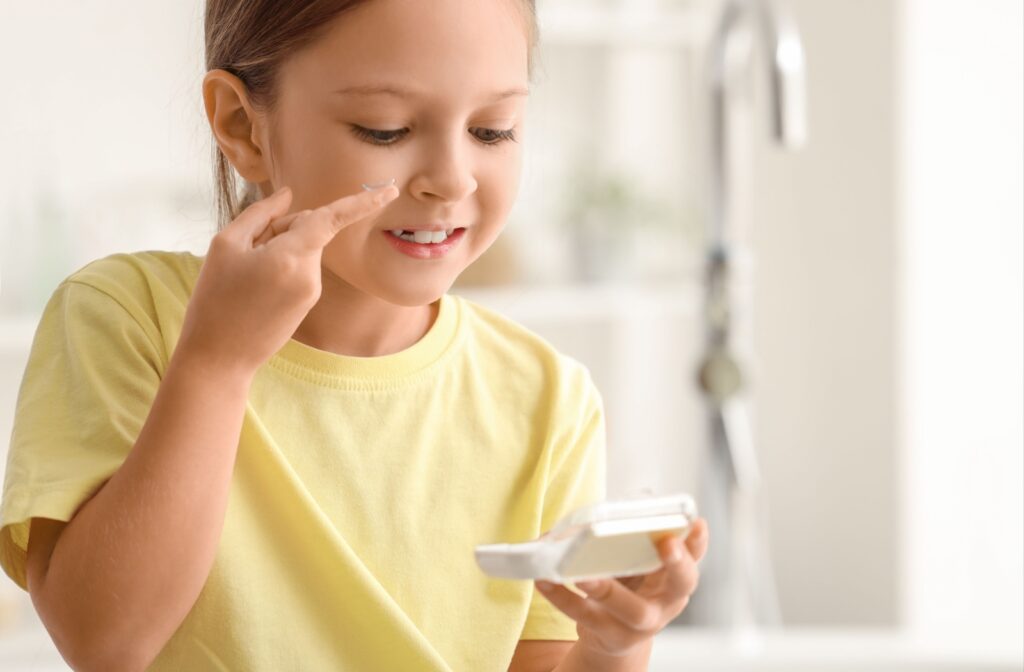
Contact lenses offer a different kind of freedom that many kids and teens appreciate. For a child who is ready for the responsibility, contacts can provide clear vision without the physical presence of frames. They offer a few distinct advantages for children who participate in sports or other high-energy activities, such as:
- Provide a wider field of view without frames in the way
- Less likely to get in the way or fall off during sports
- Some kids feel more comfortable with their appearance without glasses
- Less likely to fog up in changing weather
The Responsibilities of Contacts
The flexibility of contact lenses comes with a need for consistent care. A strict hygiene routine is non-negotiable to keep your child’s eyes healthy. This commitment includes washing hands before handling lenses, cleaning and storing them properly, and replacing them on schedule. Following proper care guidelines helps reduce the risk of eye infections.
Decide if Your Child Is Ready for Contacts
Key Factors for Readiness
The decision to move to contact lenses is less about age and more about responsibility. You know your child better than anyone and can gauge if they are prepared for the daily routine. A child who is ready for contacts typically demonstrates an ability to follow directions consistently and already has good personal hygiene habits, like brushing their teeth without reminders. A professional contact lens exam and fitting can help determine if your child is a good candidate.
Make the Right Choice for Your Family
Factors in Your Decision
Choosing between glasses and contacts is a personal decision for your family. Consider your child’s daily activities, their personal preference, and your family’s ability to supervise their care routine. A child who plays sports might benefit from contacts, while another might prefer the simplicity of glasses. Open communication with your child is a great way to find a solution that works for everyone.
Get Personalized Advice for Your Family
The team with Total Vision Seal Beach is dedicated to helping your family find the right fit for your child’s vision care. We would love to offer personalized advice, including contact lens fittings, children’s eye exams, and myopia control if needed.
Schedule an appointment to discuss your options and get professional guidance tailored to your child’s needs.